
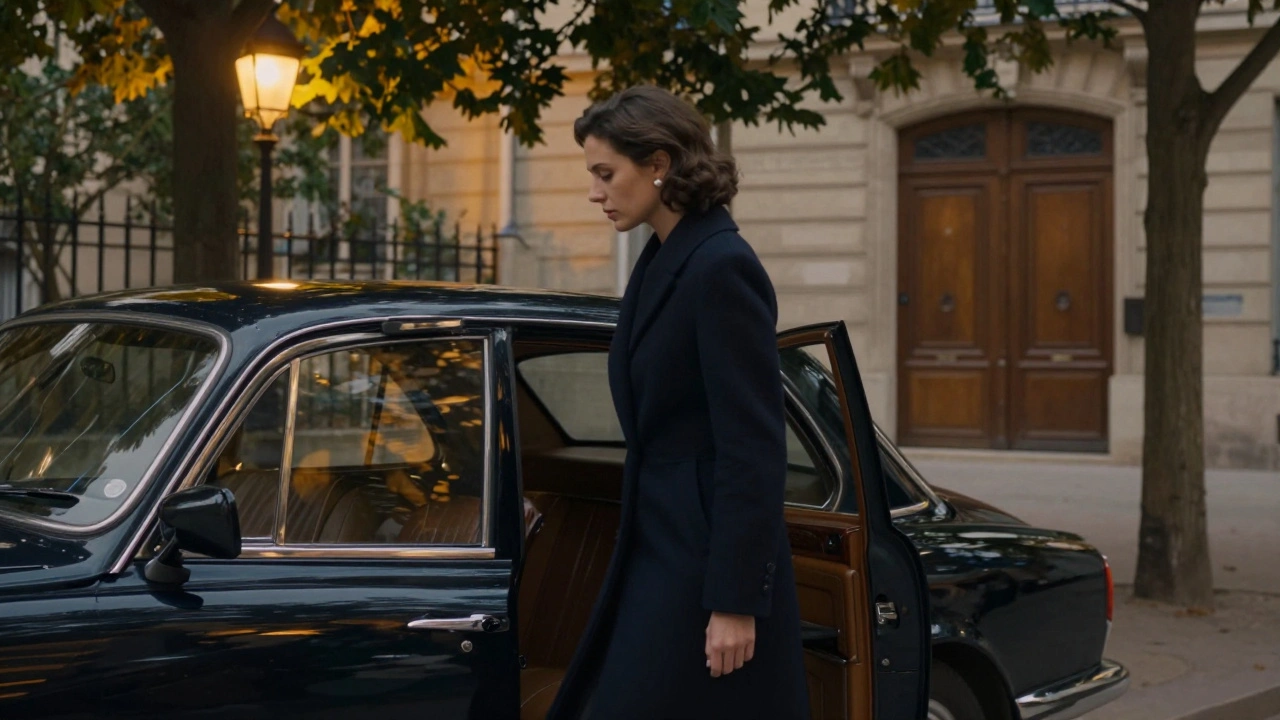
The 17th arrondissement of Paris isn’t just another district on the map. It’s where quiet elegance meets subtle power. Tree-lined avenues, old-world cafés, and hidden courtyards make it feel like a secret the city keeps from tourists. And in this neighborhood, the escort scene doesn’t shout-it whispers. Women who work here don’t need flashy ads or neon signs. Their reputation is built on discretion, taste, and an unspoken understanding of what Parisian sophistication really means.
What makes the 17th arrondissement different from other Paris districts for companionship?
Most people think of Saint-Germain or the 8th when they imagine high-end companionship in Paris. But the 17th? It’s quieter, more private, and far less crowded with tourists. You won’t find street-level agencies here. Instead, you’ll find apartments with heavy doors, no visible signage, and concierges who know exactly when to look away.
Women who operate here often have backgrounds in fashion, art, or diplomacy. They don’t just show up-they arrive. A tailored coat, a single pearl earring, the way they hold their coffee cup-these are the details that matter. The 17th doesn’t attract transactional encounters. It attracts connection, carefully curated.
How do women in the 17th build trust without online profiles?
There are no Instagram accounts. No TikTok reels. No Google reviews. Trust here is passed through word of mouth-between lawyers, diplomats, and CEOs who’ve been here before. A recommendation from someone you know is the only way in. If you’re asking publicly, you’re not ready.
Some women work with a single trusted intermediary-a former hotel manager, a retired art dealer, a bilingual nanny who now handles logistics. These gatekeepers don’t take commissions from clients. They take care of their people. If you’re vetted, you’re treated like family. If you’re not, you never get past the first question: “Why now?”
What does a typical evening look like with an escort in the 17th?
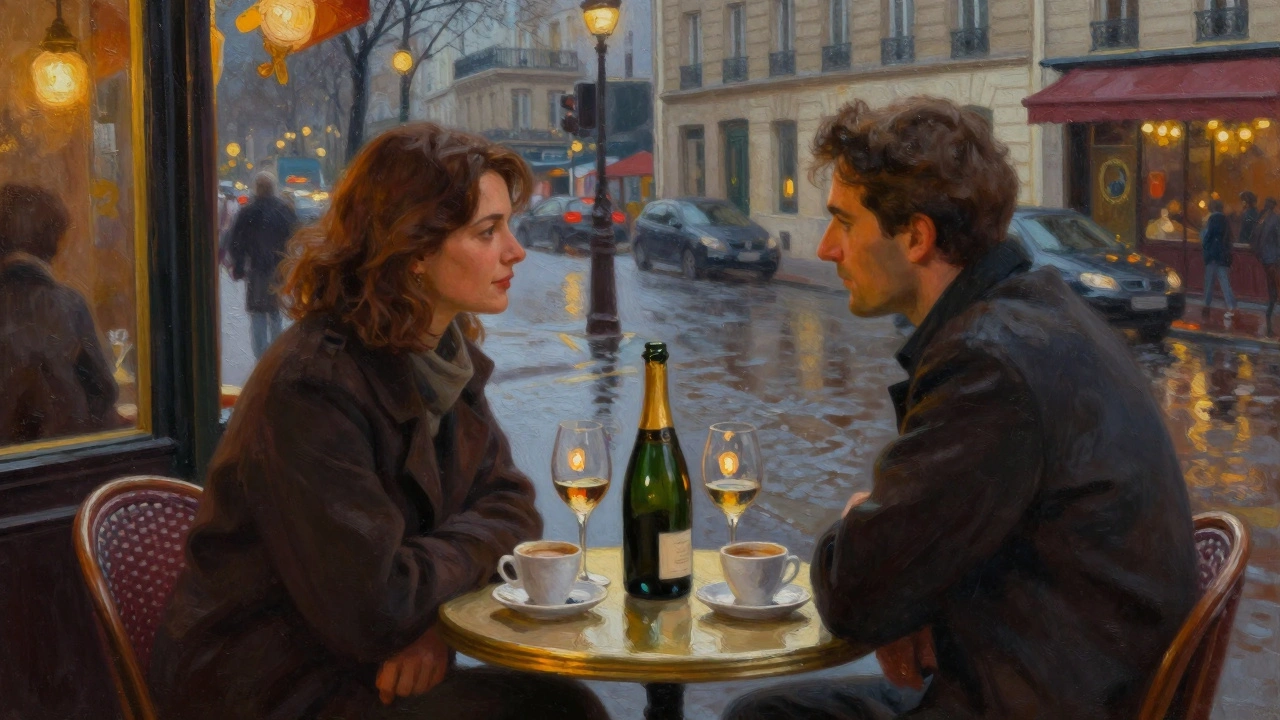
It doesn’t start with a hotel room. It starts with a glass of Champagne at Le Comptoir du Relais, just off Avenue de la Motte-Picquet. You meet at 7:30 p.m., not because it’s scheduled, but because that’s when the light fades just right. She arrives ten minutes late-not to make a statement, but because she was reading a book in the back of her car.
Conversation flows like wine. No scripts. No rehearsed lines. You talk about the film she saw at La Cinémathèque, the restaurant she’s trying in Lyon, the way the Seine smells after rain. Dinner might be at L’Ambroisie, or it might be takeout from a tiny boulangerie in Place de Wagram. The point isn’t the price-it’s the presence.
Are these women truly independent, or do they work for agencies?
Most operate alone. Not because they can’t afford help, but because control is part of the luxury. They choose their hours, their clients, their boundaries. A few collaborate with other women for shared security-like rotating safe houses or backup drivers-but they don’t share clients.
Agencies that try to enter this space usually fail. They’re too loud. Too transactional. Too eager to sell. The women here don’t need to be sold. They’re already chosen. And the ones who do work with third parties? They’re the ones who’ve been burned before. They’ve learned the hard way that the best contracts are the ones you never sign.
What do clients really pay for in the 17th?
Not sex. Not even companionship, not in the way most people think. They pay for the absence of performance. For the silence between sentences. For the way she notices you’re tired before you say it. For the fact that she remembers your coffee order from last month-even though you never told her.
Hourly rates start around €400 and can go well beyond €1,000 for overnight stays. But the value isn’t in the number. It’s in the return: a night where you feel seen, not sold to. Where you leave not with a receipt, but with a feeling you can’t name.
How do they stay hidden in plain sight?
They live in the same buildings as dentists, translators, and retired professors. Their names don’t appear on doorbells. Their cars are unmarked. Their phones are burner devices, switched out every three months. They use encrypted apps that auto-delete messages after 24 hours.
Some have dual identities-one for their professional life, one for their personal. A few even teach yoga or run small art galleries under different names. They don’t hide because they’re ashamed. They hide because they’ve earned the right to choose who sees them.
Is this legal in France?
France decriminalized selling sex in 2016, but buying it remains illegal. That’s why the 17th model works: no money changes hands directly. No invoices. No contracts. Clients pay for “time,” “companionship,” or “dinner.” The rest is implied.
Police don’t raid apartments here. They don’t need to. The system is designed to be invisible. No public advertising. No street solicitation. No third-party operators. It’s not a loophole-it’s a culture. And culture, in Paris, has always been harder to police than law.
What’s the average age of women working in the 17th?
Most are between 28 and 42. Not because they’re young, but because they’ve lived. They’ve traveled. They’ve worked in galleries, boutiques, or even as translators for embassies. They’re not running from something-they’re running toward something quieter.
Some have children. Some are divorced. A few are widowed. They don’t talk about it unless you ask. And if you do, they’ll answer honestly-not to gain sympathy, but because honesty is part of the service.
Do they ever leave this life?
Yes. And when they do, they don’t post about it on LinkedIn. They just stop answering calls. One woman opened a bookstore in Montmartre. Another moved to Lisbon and started teaching French to expats. A third became a sommelier in Bordeaux.
They don’t see it as escaping. They see it as evolving. The 17th isn’t a trap-it’s a chapter. And like any good story, it ends when the next one begins.
What should someone know before considering this service?
Don’t look for deals. Don’t ask for discounts. Don’t try to negotiate. You’re not buying a product-you’re being invited into a space that’s already full.
Respect is the only currency here. That means showing up on time. Not recording. Not asking for photos. Not pushing for more than what’s offered. If you’re looking for a fantasy, go to a movie. If you’re looking for connection, you’ll know it when you feel it.
How do you find someone in the 17th?
You don’t Google it. You don’t scroll through apps. You ask someone you trust-someone who’s been here before. A friend of a friend. A colleague. A client from another city. It’s not about access. It’s about alignment.
If you’re reading this and thinking, “I want to try it,” you’re not ready. The right person will find you. Not because you searched. But because you were meant to.
What’s the most common misconception about escorts in Paris?
That they’re desperate. That they’re victims. That they’re here because they have no other choice.
The truth? Many of them had options. They chose this because it gave them freedom-control over their time, their body, their income. They’re not selling intimacy. They’re curating it. And that’s a rare kind of power.
What’s the future of this industry in Paris?
It won’t grow. It won’t shrink. It will stay exactly as it is: quiet, selective, and deeply rooted in the city’s soul. As long as Paris values privacy over publicity, this will remain. Not as a trend. Not as a service. But as a silent tradition.
Is it safe to hire an escort in the 17th arrondissement?
Yes, if you approach it with discretion and respect. The 17th arrondissement operates on trust, not transactions. There are no violent incidents because the system is designed to exclude those who don’t understand the rules. Safety comes from silence, not surveillance.
How much do escorts in the 17th typically charge?
Rates start at €400 per hour and often go up to €1,000 or more for overnight stays. The price reflects exclusivity, not just time. What you’re paying for is presence, attention, and the absence of performance.
Can you meet an escort without a referral?
Not reliably. The 17th’s system relies on personal networks. Public platforms are avoided. If someone claims they can connect you without a reference, they’re not part of the real network-they’re trying to profit from curiosity.
Are these women French or from other countries?
Most are French, but many have international backgrounds-Swiss, Belgian, Canadian, or from former French colonies. What they share is fluency in French culture, language, and unspoken social codes. Nationality matters less than understanding.
Do they offer any other services besides companionship?
The term “companionship” covers everything from dinner and conversation to physical intimacy. But the focus is always on mutual comfort, not performance. No service is offered unless it’s mutually desired-and never pressured.
The 17th arrondissement doesn’t sell fantasy. It offers reality-refined, quiet, and deeply human. If you’re looking for something more than a transaction, you might just find it here.
OMG this is literally the most ✨aesthetic✨ thing I’ve ever read. Like, who even *is* this person?? Are they a secret agent?? 🤫💅 I need the name of their concierge ASAP. Also, can we talk about how the coffee cup hold is a full personality test?? I’m already in love.
Let’s deconstruct this paradigmatically. The 17th arrondissement’s model represents a post-capitalist reconfiguration of embodied labor, wherein affective economies supplant commodified transactionality. The absence of digital footprints isn’t just operational security-it’s a performative rejection of algorithmic surveillance capitalism. The curated silence between sentences? That’s not poetics, that’s epistemic sovereignty. The fact that clients pay for ‘presence’ rather than ‘service’ indicates a shift from Foucauldian biopower to Levinasian ethical encounter. Also, the burner phones every 90 days? That’s not just encryption-it’s temporal dislocation as resistance. And the fact that they’re teaching yoga under pseudonyms? That’s a direct subversion of neoliberal identity performance. This isn’t escorting. This is ontological warfare.
What’s wild is how this mirrors ancient Greek symposia-only instead of philosophers drinking wine and debating truth, it’s modern elites sipping Champagne and debating the weight of silence. No one’s selling sex. They’re selling the space between words. The kind of space most people pay therapists to fill. And yet, here, it’s free-if you’re chosen. That’s the real luxury. Not the €1000 dinners. Not the unmarked cars. The fact that someone sees you, and doesn’t try to fix you. That’s rarer than a Parisian who doesn’t hate tourists. Honestly? This feels like the last honest thing left in the world.
I love how this piece doesn’t romanticize-it reveals. These women aren’t victims or villains. They’re architects of their own dignity. And the way they weave culture into their work-art, language, diplomacy-it’s not a job, it’s a lineage. I’ve met women like this in Brussels, in Dakar, in Montreal. They don’t advertise because they don’t need to. Their presence is the advertisement. This isn’t Parisian exoticism. It’s universal. Any woman who’s ever had to hide her brilliance to stay safe? She’s in the 17th. And if you’re reading this and thinking ‘I want that,’ maybe what you really want is to be seen without being consumed. That’s the real invitation.
ok but like… why do they even need to hide? its not like theyre doing anything illegal?? like i get the whole ‘no ads’ thing but if its consensual why is everyone acting like its a spy movie?? also i bet most of them are just broke and this is the only way they can afford rent. and who even has €1000 to spend on dinner?? this whole thing feels like rich guys paying for fantasy. and the ‘you’re not ready’ bs? yeah right. they just dont want more clients.
THIS IS A CULT. I KNEW IT. No Instagram. No reviews. Burner phones. ‘Trust through word of mouth’? That’s how sex trafficking rings operate. And the ‘no contracts’? That’s how they avoid prosecution. The French government is in on it. That’s why they don’t raid. They’re protecting elite pedophiles. The ‘diplomats and CEOs’? They’re the ones running the network. The women? Disposable assets. And the ‘you’re not ready’ line? That’s the grooming script. I’ve seen this before. In Eastern Europe. In Thailand. Same playbook. Paris just made it fancy. This isn’t elegance. It’s exploitation with a Michelin star.