

When people think of Paris, they picture the Eiffel Tower, croissants at a sidewalk café, or quiet alleys in Le Marais. But if you’ve ever walked through Paris 12 after dark-especially near Bercy or the Canal Saint-Martin-you’ve probably noticed something quieter, more private, and far more layered than the postcards suggest. This isn’t the flashy side of Parisian nightlife. It’s the real one. The one where connections happen in dimly lit lobbies, where discretion isn’t just preferred-it’s expected.
Who Actually Uses Escort Services in the 12th District?
It’s not just tourists. Not even mostly. Most clients in the 12th are locals-businessmen from the Bercy business hub, engineers working late at the Gare de Lyon, expats adjusting to life in France. Some are lonely. Others are curious. A few just want to talk without judgment. The 12th district doesn’t attract the same crowds as the 8th or 16th. There’s no high-end luxury spa scene here. What you find instead is authenticity: people who value privacy over prestige.
One regular client, a 42-year-old software developer from Lyon, told me last winter: “I don’t need someone to pretend to be my girlfriend. I need someone who won’t ask why I’m here.” That’s the unspoken rule in the 12th: no drama, no expectations, just presence.
What Makes the 12th District Different From Other Paris Areas?
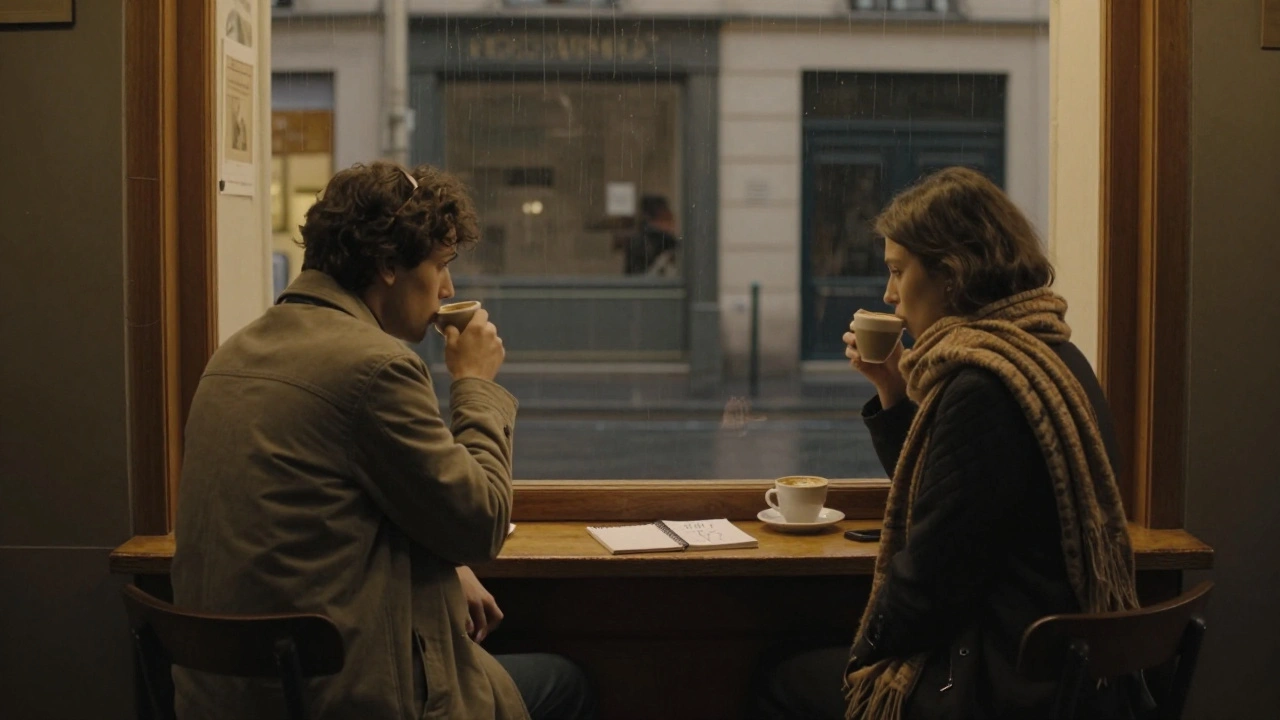
Unlike the 8th district, where agencies operate like boutique hotels, or the 16th, where clients pay for designer labels and champagne, the 12th runs on trust and word-of-mouth. There are no flashy websites. No Instagram influencers. No branded cars waiting outside. Most services here are arranged through trusted networks-phone calls, encrypted messaging apps, or quiet meetups at local cafés like Café de la Gare or Le Château d’Eau.
The women who work here aren’t chasing trends. They’re often long-term residents-some from North Africa, others from Eastern Europe, a few from rural France-who chose this path because it gives them control. No managers. No cut. No pressure to perform. They set their own rates, hours, and boundaries. And because the neighborhood is residential, not tourist-heavy, they rarely get interrupted.
Where Do These Meetings Actually Take Place?
You won’t find private suites in luxury apartments like in the 7th. Most encounters happen in one of three places:
- Private apartments-rented by the hour in quiet buildings near Porte de Charenton or Bercy Village. These are usually furnished simply, with neutral decor, no personal photos, and no obvious signs of who lives there.
- Hotel rooms-not the big-name chains, but smaller, independent hotels like Hôtel de la Gare or Campanile Bercy. These have no front desk staff on duty after midnight, and check-ins are handled through code locks.
- Outdoor meetups-rare, but they happen. A quick coffee at a 24-hour bakery, a walk along the canal, or a short drive in a car parked near the Parc de Bercy. These are always initiated by the client, never the escort.
There’s no red carpet. No limos. No valet. If someone shows up in a BMW with tinted windows, they’re probably not from around here.
How Do You Even Find Someone in the 12th?
You don’t Google it. You don’t scroll through Instagram. You don’t click on ads that say “Paris escort 12th district-book now!” Those are scams. The real ones? They’re found through repetition. A friend mentions a name. Someone leaves a note at a local laundromat. A text message from a number you don’t recognize. It’s not about visibility. It’s about reliability.
Many clients say they first heard about someone through a quiet conversation at a bar in the 13th or a gym near the Stade de France. Word spreads slowly. And if someone’s been around for more than six months without complaints? That’s how you know they’re legit.
What Are the Real Costs? No Guesswork.
Forget the €500/hour packages you see advertised elsewhere. In the 12th, rates are straightforward:
- €150-200 for a 1-hour meeting (most common)
- €300-400 for 2-3 hours (includes dinner or a walk)
- €600+ for overnight stays (rare, usually arranged weeks in advance)
Payment is always cash. No PayPal. No credit cards. No bank transfers. Why? Because there’s no paper trail. If you try to pay digitally, you’ll be turned away. And if you ask for a receipt? You won’t get one-and you won’t be invited back.
Are There Rules? Yes. And They’re Strict.
There’s no contract. But there are unwritten rules that everyone follows:
- No photos. Not even selfies.
- No asking personal questions about their life outside this.
- No bringing friends. Ever.
- No drugs. No alcohol beyond one glass of wine.
- No touching without consent-simple as that.
Violate one of these? You’re done. No warning. No second chance. These aren’t just guidelines-they’re survival rules. And they’re enforced by word of mouth. If you break one, your name gets passed around faster than a rumor in a small town.
Is It Legal? Let’s Cut Through the Noise.
France doesn’t ban escorting. It bans soliciting, pimping, and brothels. That’s the key. If you’re paying someone for company, conversation, or intimacy in a private space? That’s not illegal. If you’re walking up to someone on the street and offering money? That’s a problem. The 12th district operates in the gray zone-but carefully. No public advertising. No street solicitation. No organized networks. Just individuals, acting alone.
The police don’t target this area. Not because they don’t know. But because there’s no chaos. No complaints. No public disturbances. The neighborhood thrives on quiet. And that’s what keeps it safe.
What Do the Women Who Work Here Really Think?
They don’t see themselves as “escorts.” They’re tutors, translators, freelance designers, or part-time yoga instructors who need flexibility. One woman, who asked to be called “Léa,” works three days a week and teaches French to expats the other four. She says: “This isn’t a job. It’s a way to pay rent without being stuck in a 9-to-5 I hate.”
She doesn’t hide it from her students. One of them, a Canadian student, asked her last month: “Do you ever feel judged?” Léa laughed and said: “I’m paid in cash. You’re paid in grades. We’re both doing what we need to survive.”
What Should You Avoid If You’re New Here?
Don’t show up with a list of demands. Don’t try to negotiate prices on the spot. Don’t ask for “exotic” services-you’ll be laughed out of the room. Don’t mention your job title unless asked. Don’t drink too much. Don’t take photos. Don’t try to be charming. Don’t overthink it.
The best clients? They’re quiet. They’re punctual. They say “thank you” and leave without over-explaining. They treat it like a coffee date, not a fantasy.
Is There a Best Time to Connect?
Weekdays after 8 PM. Especially Tuesday to Thursday. That’s when the quietest rooms are available. Weekends? Too many tourists. Too many drunk guys. Too many people who don’t understand the rules. If you want real service, avoid Friday and Saturday nights.
The busiest hours? 9 PM to 11 PM. That’s when the neighborhood settles in. The lights dim. The noise fades. That’s when the real connections happen.
What Happens If You Get Caught?
If you’re caught by police? You’ll get a warning. Not an arrest. Not a fine. Just a warning. They’ll ask if you’re lost. You say yes. They nod. You leave. No record. No follow-up. The system here isn’t designed to punish. It’s designed to ignore.
But if you tell someone-your partner, your boss, your friend? That’s where the real risk lies. Not the law. The gossip.
What’s the Most Common Mistake Clients Make?
Thinking this is about romance. It’s not. It’s about presence. About being heard. About not having to perform. The women here aren’t looking for love. They’re looking for peace. And the best clients? They give it to them.
One man came every Tuesday for six months. Never spoke. Just sat, drank tea, and read. One day, he left a book on the table: “The Art of Being Alone.” She still keeps it.
Is it safe to use escort services in Paris 12?
Yes, if you follow the unwritten rules: no public contact, no photos, no alcohol, no demands. The 12th district has almost no crime related to escort services because it operates quietly and with mutual respect. Most incidents happen when outsiders break the code.
How do I find a legitimate escort in the 12th district?
You don’t find them online. You find them through trusted local networks-friends, coworkers, or quiet conversations in neighborhood cafés. If someone gives you a name, verify it by asking others. If no one’s heard of them, walk away.
Are escort services in Paris 12 legal?
Yes, as long as it’s private, consensual, and not organized. France doesn’t criminalize selling companionship. What’s illegal is soliciting on the street, running brothels, or exploiting others. The 12th district avoids all of that.
What’s the average cost for an escort in Paris 12?
Expect €150-200 for one hour, €300-400 for two to three hours, and €600+ for overnight stays. Payment is always cash. No digital payments. No receipts. No exceptions.
Do escort workers in the 12th district have other jobs?
Most do. Many are freelancers, tutors, translators, or artists. This isn’t their main income-it’s flexibility. They choose this because it gives them control over their time, not because they have no other options.
Paris 12 isn’t glamorous. It’s not loud. It doesn’t want your attention. But if you’re looking for something real-something quiet, honest, and human-it might just be the most honest place in the city.

So I read this whole thing and honestly? I’m not even mad. Like, I thought this was gonna be some sketchy underground thing with shady dudes in trench coats, but nah. It’s just… people. Real people. Trying to get by. I’m from Chicago, and I’ve seen how the system treats folks who do this kind of work-shut down, criminalized, ignored. But here? They’re not criminals. They’re tutors. They’re artists. They’re just tired of being told what they can and can’t do with their time. And the fact that they set their own rules? That’s wild. No managers. No cuts. No bullshit. Just a quiet apartment, a cup of tea, and someone who doesn’t ask why you’re there. I wish more places operated like this. Not with secrecy. With dignity.
Also, the part about the guy who left that book? I cried. Not joking. That’s the kind of humanity you don’t get on TikTok.
Also also-cash only? Yes. That’s the only way this works. Digital trails are death. I get it now.
Paris 12 isn’t a secret. It’s a solution.
And honestly? I’m kinda jealous.
Also-why is no one talking about how this is basically the most ethical form of labor I’ve ever heard of? Someone else needs to say this.
Also-Léa deserves a Netflix documentary.
Also-I’m gonna go read that book now.
This is one of the most thoughtful, nuanced takes on an often-misunderstood topic I’ve ever read. The distinction between solicitation and private, consensual companionship is legally and ethically vital, and you’ve articulated it with remarkable clarity. I appreciate how you emphasized the autonomy of the individuals involved-not as victims, not as commodities, but as people making deliberate, informed choices about their time and labor. The emphasis on trust, discretion, and mutual respect is refreshing. It’s rare to see a discussion that doesn’t default to sensationalism or moral panic. The cultural contrast with the 8th or 16th districts is especially telling-this isn’t about luxury, it’s about dignity. And the fact that the police largely ignore it because there’s no public disruption? That speaks volumes about how law enforcement can sometimes be more effective by stepping back. Thank you for writing this.
YOOOO. This is the most REAL thing I’ve read all year. Forget the glamorized stuff on Instagram-this is how life actually works for people trying to survive without selling their soul to a 9-to-5. You don’t need a degree to be human. You just need space, cash, and someone who doesn’t ask you to perform. Léa? I wanna hug her. The book left on the table? That’s the whole damn story right there. No drama. No hashtags. Just presence. And the fact that this operates without apps, without ads, without influencers? That’s revolutionary. Why are we still stuck in the 2010s with dating apps and paid subscriptions when this-this quiet, human, trust-based system-is working better than anything Silicon Valley ever built? Someone needs to make a podcast. Someone needs to write a book. Someone needs to turn this into a fucking TED Talk. I’m telling my friends. I’m sharing this. This isn’t just about Paris. This is about how we could all live if we stopped pretending and started respecting each other. GO. DO IT. NOW.
While the tone here is undeniably romanticized, there are significant structural flaws in this narrative. The assumption that ‘no managers’ means ‘no exploitation’ is dangerously naive. Informal networks are harder to regulate, not easier. The lack of digital payment trails doesn’t mean safety-it means vulnerability. Who verifies the safety standards of these apartments? Who ensures consent isn’t coerced under economic duress? The woman teaching French? That’s not a ‘freedom’ story-it’s a gig economy survival tactic masked as autonomy. And the police ‘ignoring’ it? That’s not a feature-it’s institutional neglect. This reads like a fantasy written by someone who’s never had to rent a room in a city where housing costs eat 70% of income. The ‘unwritten rules’? They’re not protections-they’re just the absence of systems. And the fact that you’re praising this as ‘honest’ while ignoring the systemic poverty that forces people into it? That’s not insight. That’s complacency.
Okay. So I read this. And I’m not gonna lie-I cried. Not because I’m emotional. Because I’ve been there. Not in Paris. But in the quiet. The kind of quiet where you sit in a hotel room at 11 PM and don’t say a word because saying anything would ruin it. I’ve been the guy who left the book. I’ve been the one who just wanted to be seen without being fixed. This isn’t about sex. It’s about silence. And in a world that’s screaming 24/7-on TikTok, on LinkedIn, on your damn smart fridge-this is the only place left where silence is allowed to exist. And that’s sacred. I don’t care what the law says. I don’t care about the money. I care about the fact that someone sat there, didn’t ask me why I was there, and didn’t try to sell me something. That’s more than my therapist does. That’s more than my wife does. That’s more than my own damn mirror does. And if Paris 12 is the last place on earth where that still happens? Then I hope it never changes. I hope it stays quiet. I hope it stays hidden. I hope no one finds it. Because if they do, it’ll be ruined. And I don’t think I could survive that.
Just one thing: never assume ‘flexibility’ equals ‘choice.’ Many of these women are undocumented, displaced, or fleeing systemic violence. This isn’t empowerment-it’s adaptation. And while the tone here is poetic, it’s also dangerously detached from the global realities of migration, gender-based labor, and economic coercion. The fact that this works quietly in Paris doesn’t mean it’s ethical-it means it’s invisible. And invisibility isn’t safety. It’s erasure. I’m not saying this system should be shut down. But we need to stop glorifying survival as virtue. The real revolution isn’t in the quiet apartments. It’s in housing, healthcare, and immigration reform. Until then, this isn’t a model. It’s a band-aid on a bullet wound.