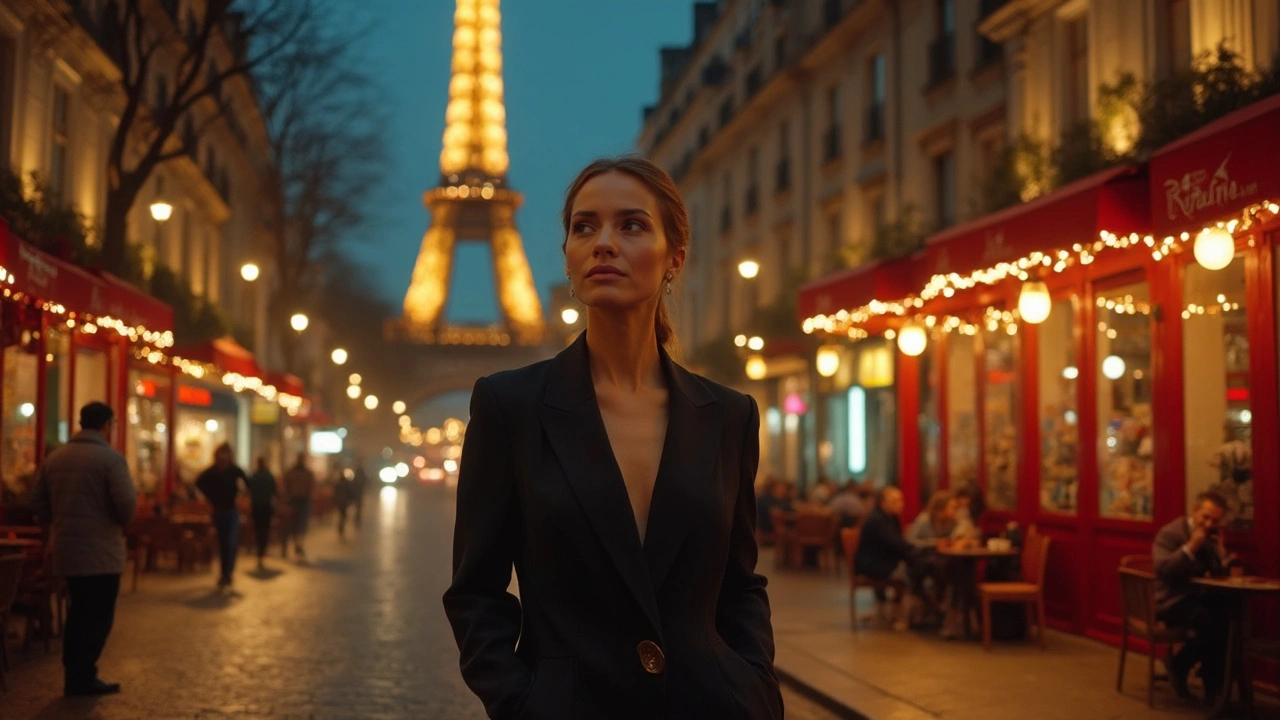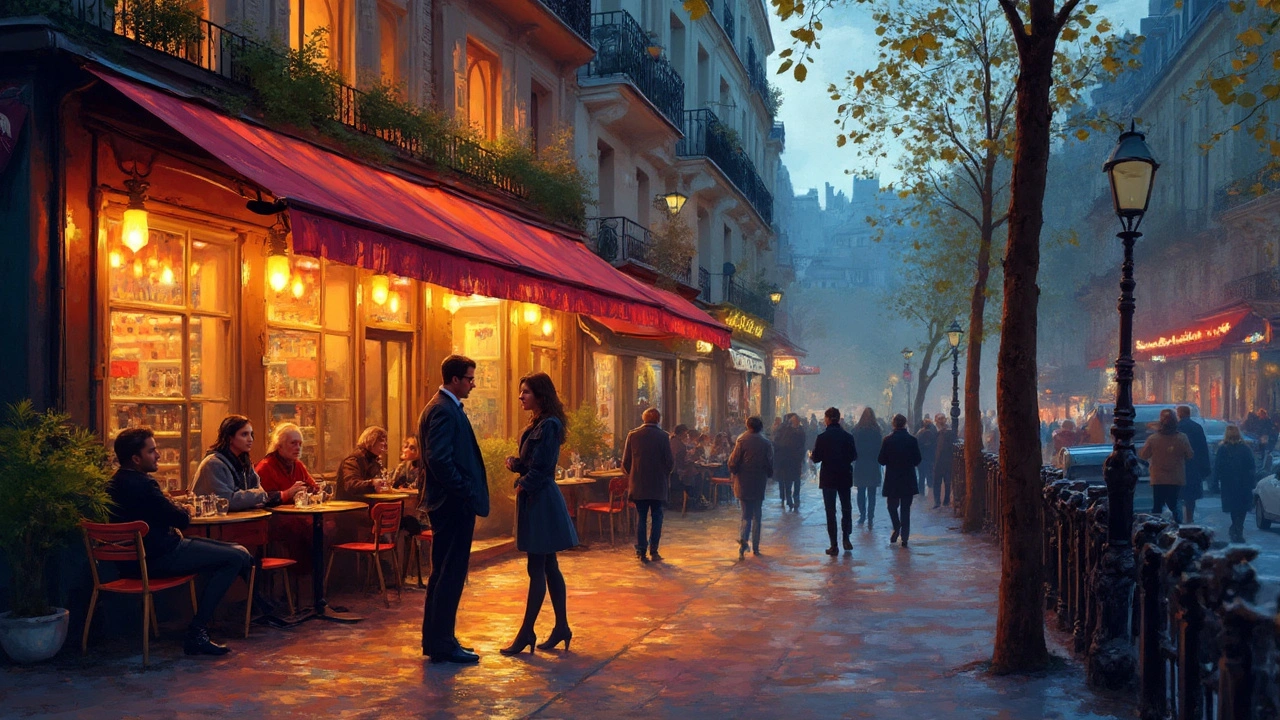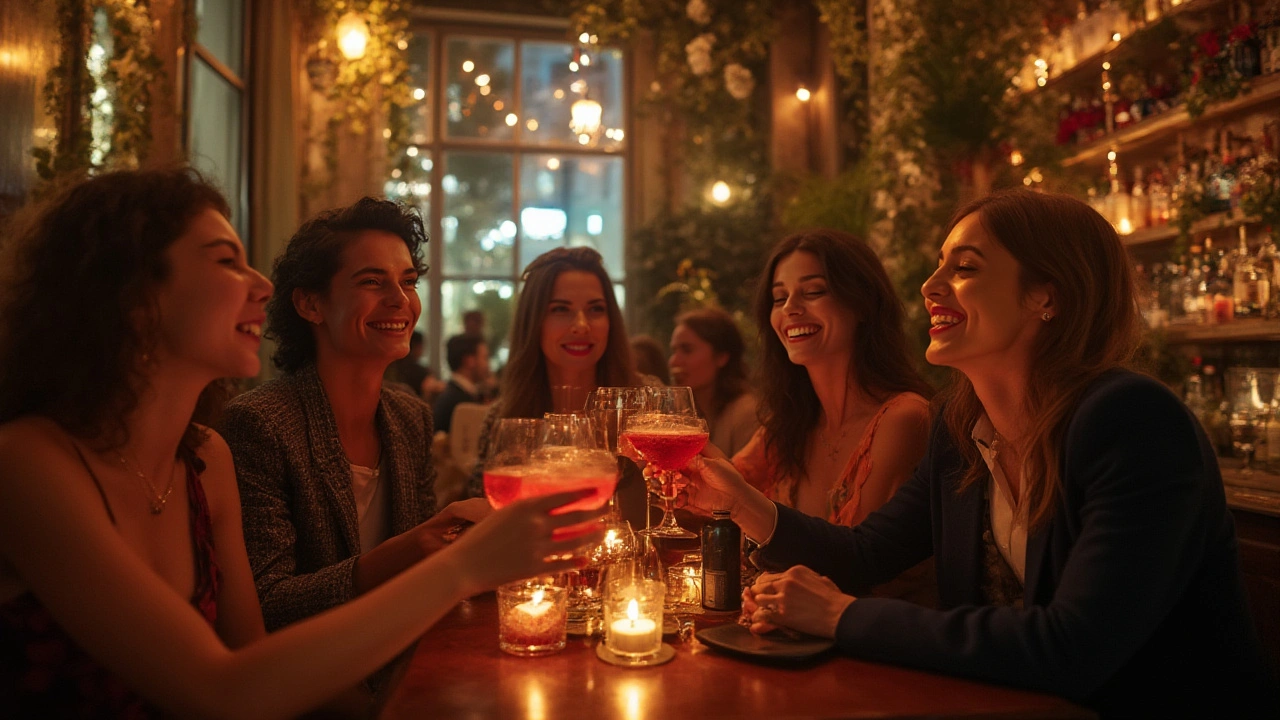
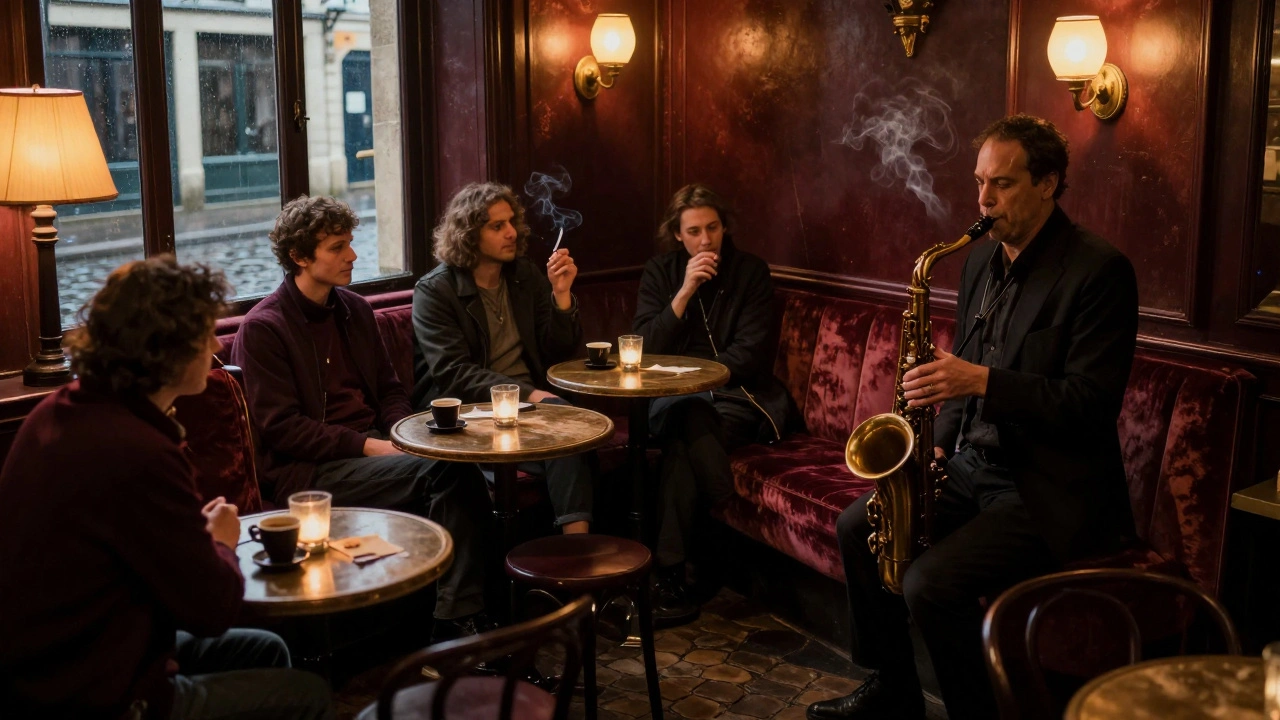
Paris isn’t just about croissants and the Eiffel Tower. When the sun goes down, the city transforms. Streets that felt quiet during the day hum with energy. Cafés turn into lounges. Art galleries close, but underground bars open. And yes - for some, the night holds a different kind of magic. This isn’t about tourist traps or Hollywood myths. It’s about what actually happens when the city gets real.
Paris After Dark Isn’t What You Think
Most visitors picture Parisian nights as romantic strolls along the Seine, candlelit dinners, and whispered confessions under bridge lights. That exists. But it’s only one layer. The real Paris after midnight is messy, wild, and surprisingly diverse. You’ll find artists debating philosophy in smoke-filled basements. Couples dancing to electronic beats in abandoned warehouses. And yes - people exploring intimacy in ways that don’t fit into brochures.
The city doesn’t advertise this side. There are no billboards for underground clubs or private lounges. You don’t find them on Google Maps. You hear about them from locals. Or you stumble into them by accident. That’s how it’s always been.
Where Real Connections Happen
Forget the expensive hotels and overpriced cocktail bars. The most authentic encounters in Paris happen in places that don’t look like destinations. A tiny jazz club in the 11th arrondissement where the bartender knows your name by the third visit. A hidden reading room in Belleville where people trade stories instead of numbers. A late-night bakery in Montmartre where the owner serves warm pain au chocolat and asks if you’ve ever been in love.
Intimacy here isn’t transactional. It’s built slowly - over shared silence, inside jokes, and the kind of vulnerability you only feel when you’re tired and the city is quiet. You don’t find it by searching. You find it by being present.
The Underground Scene Nobody Talks About
There’s a network of private events in Paris that operate outside the usual tourist radar. Think themed salons in old townhouses. Artistic gatherings where music, poetry, and touch blend into something new. These aren’t sex clubs. They’re spaces where people explore connection without labels. Attendance is by invitation only. Word spreads through trusted circles.
One woman I know hosts monthly gatherings in her 19th-century apartment near Parc des Buttes-Chaumont. No photography. No phones. Just candlelight, wine, and conversation that goes deep. She doesn’t charge. She doesn’t advertise. She just opens the door. People come because they’re tired of performance. They come because they want to feel seen.
Is Paris a Hotspot for Adult Entertainment?
Yes - but not the way you imagine. Paris has legal brothels, yes. But they’re not the flashy, neon-lit spots you see in movies. They’re quiet, regulated, and mostly forgotten. The real adult scene lives in the margins: in private studios where models and artists collaborate, in boutique hotels that offer discretion, in apps that connect people based on shared interests, not just physical attraction.
Unlike cities that treat sexuality as a product, Paris treats it as a conversation. You won’t find mass-market escort services dominating the streets. What you will find are individuals - artists, writers, dancers - who use intimacy as part of their creative expression. It’s not about buying time. It’s about sharing space.
What Tourists Get Wrong
Many assume Paris is a city where anything goes. That’s not true. The French have strong boundaries, even around desire. Public displays of affection? Fine. Public propositions? Not so much. The city has a quiet code: respect the rhythm. Don’t force it. Don’t rush it.
Trying to pick someone up on the Champs-Élysées? You’ll get ignored - or worse, laughed at. Waiting until midnight at a jazz bar, sharing a cigarette, and letting a conversation unfold? That’s how it works here. The magic isn’t in the act. It’s in the pause before it.
The Role of Privacy
Parisians value privacy like oxygen. Even in moments of closeness, there’s an unspoken rule: what happens here stays here. No social media posts. No selfies. No screenshots. That’s why the underground scenes thrive. People don’t want to be seen. They want to be felt.
This isn’t secrecy for shock value. It’s protection. For many, these spaces are the only places they can be fully themselves - without judgment, without pressure, without being turned into content.
How to Experience It Without Crossing Lines
If you’re curious, start here: go to a poetry reading. Attend a silent disco in a courtyard. Join a late-night book club in the Latin Quarter. Attend a film screening at Le Cinéma du Panthéon. These aren’t pickup spots. But they’re where real connections form.
Don’t look for sex. Look for presence. If someone wants to share something deeper with you, they’ll invite you. Not with words. With a glance. A pause. A shared silence after the music ends.
It’s Not About the Location - It’s About the Moment
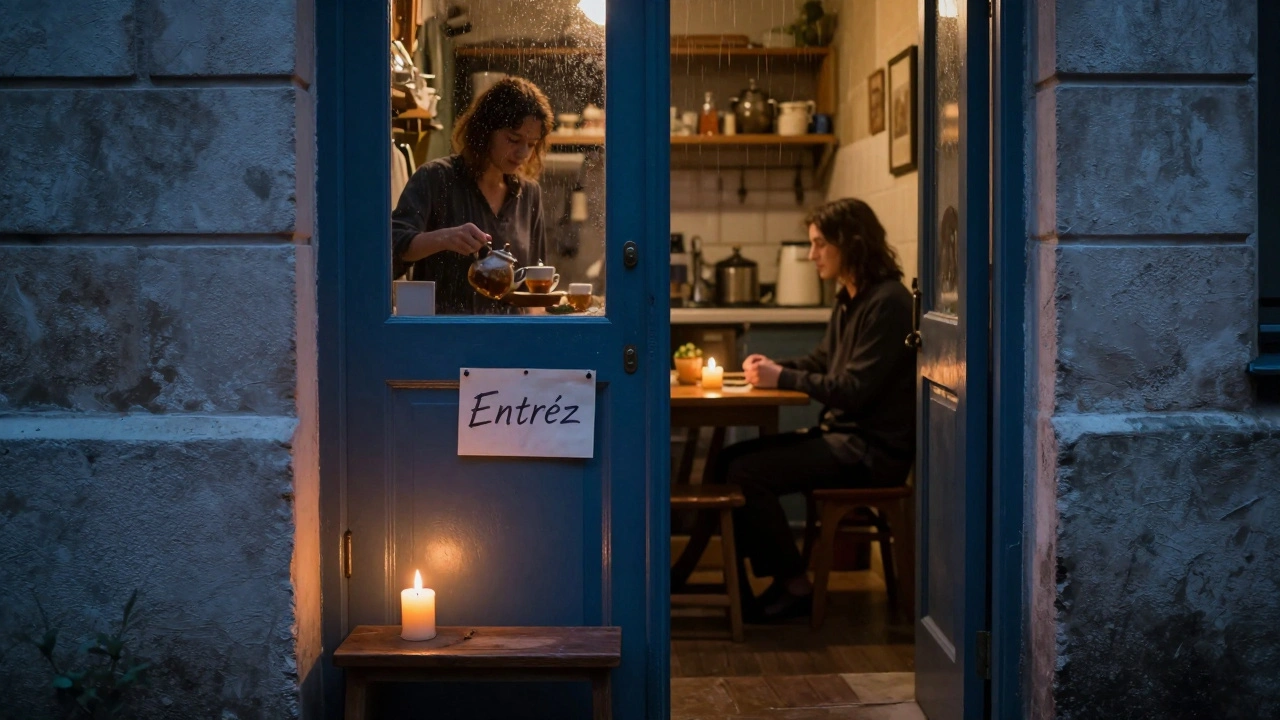
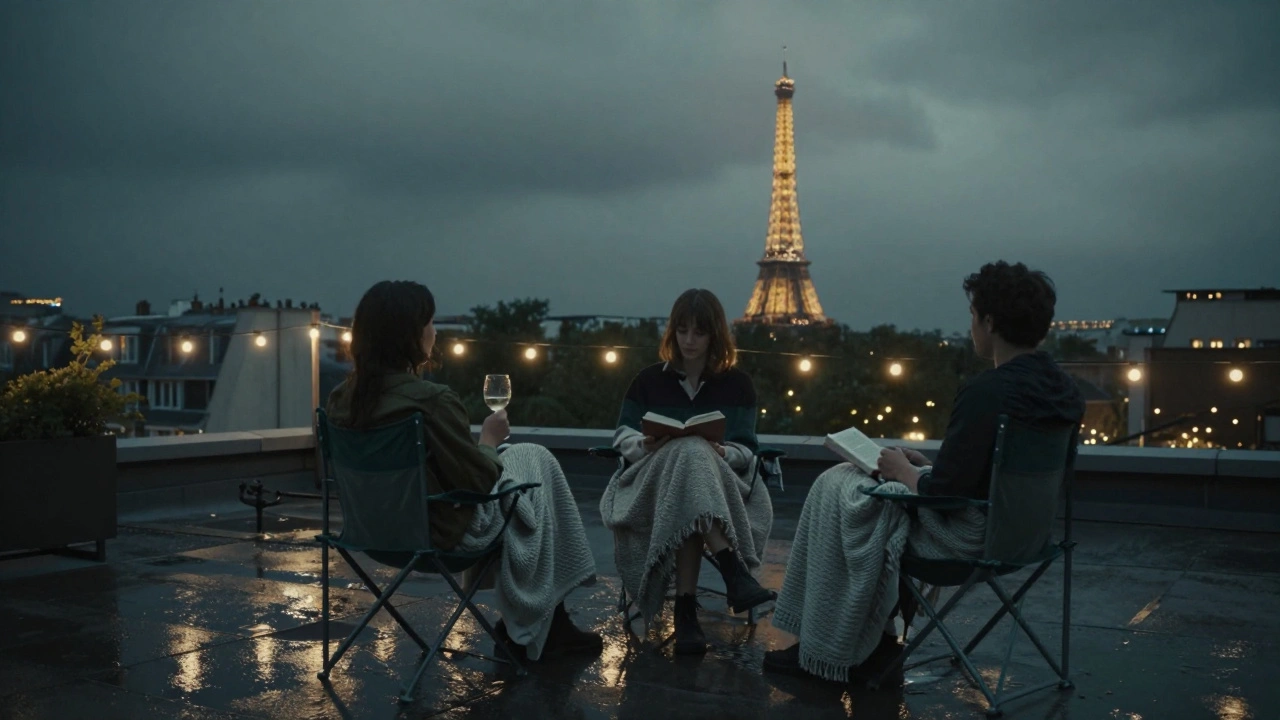
Paris doesn’t have a ‘red light district.’ It has hundreds of small, shifting zones where people let their guards down. A bench near the Canal Saint-Martin at 2 a.m. A rooftop terrace in the 10th after a storm. A kitchen table in a shared apartment where someone makes tea and says, ‘Tell me something real.’
The city doesn’t sell magic. It creates conditions where it can happen - if you’re willing to wait for it.
What You Won’t Find
You won’t find street walkers offering services in broad daylight. You won’t find neon signs advertising ‘private encounters.’ You won’t find apps that function like dating marketplaces. Paris resists commodification. Even when people seek intimacy, they do it quietly - with dignity, with care, with hesitation.
That’s why it feels different. It’s not about quantity. It’s about quality. Not about volume. About resonance.
Why This Matters Now
In a world where everything is recorded, shared, and sold - Paris still holds space for the unrecorded. For the unsponsored. For the unadvertised. In a time when connection feels transactional, the city offers an alternative: one built on presence, not profiles.
Maybe that’s the real magic. Not the thrill. Not the secrecy. But the quiet certainty that you can be human here - without being exploited.
Final Thought: The Night Belongs to Those Who Listen
Paris doesn’t give its secrets away. You have to earn them. By showing up. By staying quiet. By not trying to take. By learning how to receive.
The city doesn’t care if you’re rich, famous, or beautiful. It only cares if you’re real. And if you are? You’ll find what you’re looking for - not in a hotel room, not in a club, not in a photo. But in the space between heartbeats, when the city exhales, and for a moment, everything feels alive.
Is it safe to explore Paris nightlife alone?
Yes - but not the way you think. Paris is generally safe for solo travelers at night, especially in well-lit areas like Le Marais, Saint-Germain, and Montmartre. Avoid isolated parks after midnight and never follow strangers into unmarked buildings. The real risk isn’t danger - it’s misunderstanding the culture. Don’t approach strangers. Don’t force interactions. Let connections happen naturally.
Are there legal sex clubs in Paris?
There are a handful of legal brothels, known as "maisons closes," but they’re rare, regulated, and mostly located in the 13th and 14th arrondissements. They’re not tourist attractions. Most are quiet, medical-grade facilities with strict rules. The real nightlife isn’t in these places - it’s in the private, unadvertised spaces where people gather for connection, not commercial sex.
Can foreigners join underground gatherings?
Sometimes - but not easily. These events are invitation-only and rely on trust networks. If you’re genuinely interested, attend public cultural events - poetry nights, jazz sessions, film screenings. Over time, if you show up consistently and respectfully, someone might invite you. Don’t ask. Don’t search online. Don’t try to force entry. The gatekeepers aren’t hiding secrets - they’re protecting safety.
Is prostitution common in Paris?
Prostitution is not illegal in France - but soliciting and pimping are. You won’t see street-based sex work like in other European cities. What you’ll see are individuals offering companionship, often through discreet apps or word-of-mouth. These are not mass-market services. They’re personal, selective, and rarely advertised. The city has moved away from overt commercialization toward private, consensual arrangements.
What’s the best way to meet people in Paris at night?
Go where locals go. Attend a silent disco in a courtyard. Join a French-language book club. Take a midnight walk along the Seine with a local guide. Visit a café that closes at 2 a.m. and stays open for regulars. The goal isn’t to find someone - it’s to become someone who belongs. When you stop looking, the right people find you.