
Paris doesn’t just sleep when the sun goes down. It transforms. The city’s quiet alleys, dimly lit cafés, and hidden doorways become gateways to something deeper-something raw, playful, and undeniably human. This isn’t about clichés or tourist traps. It’s about how Parisian sensuality lives in the spaces between glances, whispered promises, and the quiet hum of a city that never stops moving.
What happens in Paris after midnight isn’t what you think
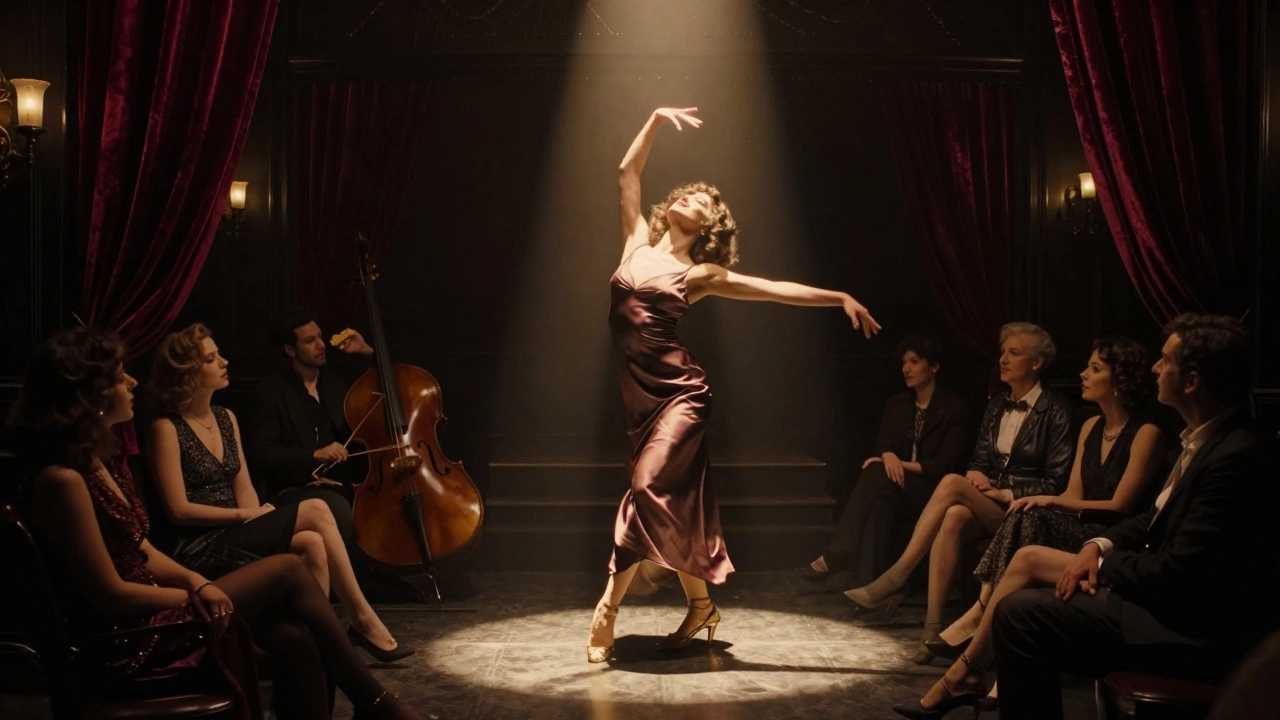
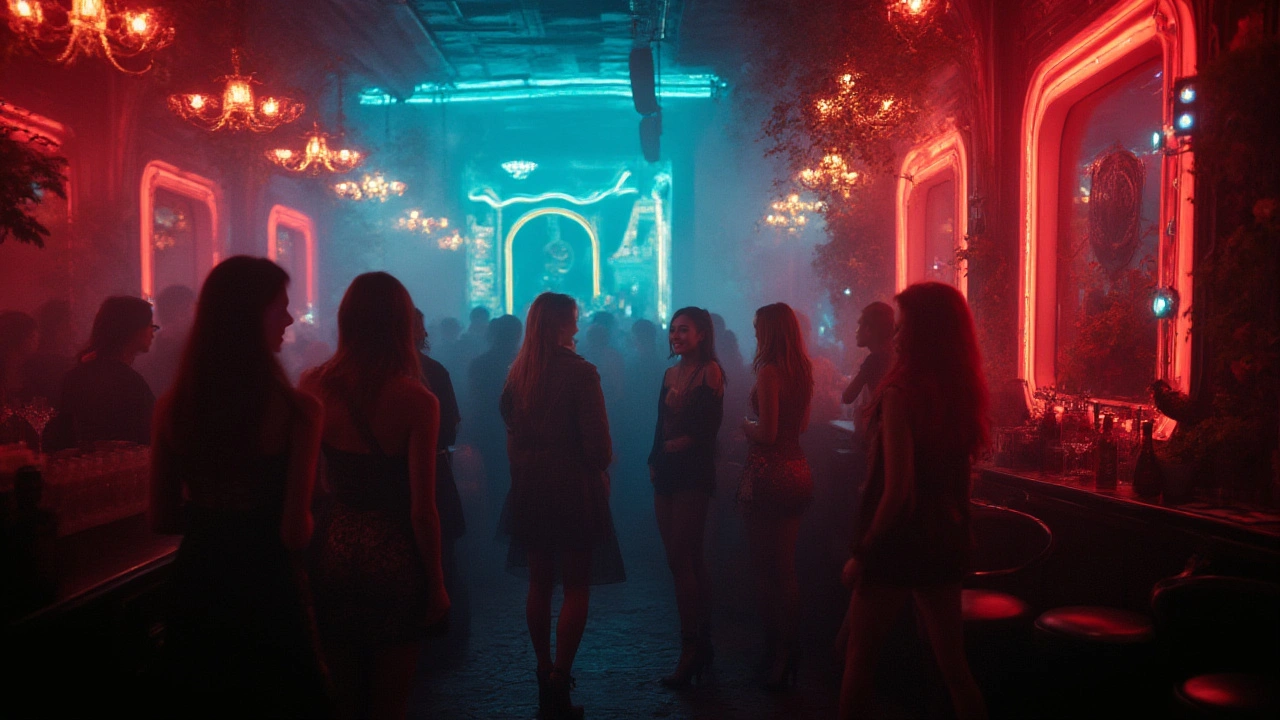
Most visitors picture the Eiffel Tower glowing and couples strolling along the Seine. But if you walk a little farther, past the postcard spots, you’ll find something else: intimate cabarets where performers blend theater, dance, and seduction into one unforgettable act. Places like Le Crazy Horse a legendary Parisian cabaret known for its artistic, nude tableaux and minimalist lighting don’t just show nudity-they craft mood, rhythm, and emotion. The performers aren’t just models; they’re dancers, choreographers, and storytellers who turn the body into a canvas.
There’s no flashing neon or loud music here. Just soft jazz, the rustle of silk, and the quiet awe of an audience that’s there not to gawk, but to feel. It’s art with a pulse. And it’s been this way since the 1950s, when the first nude revues redefined what public sensuality could look like in a city that once banned such things.
The hidden world of private salons and intimate gatherings
Beyond the stage lights, there’s another layer. A network of discreet salons exists-some invitation-only, others quietly advertised in art journals or boutique magazines. These aren’t brothels. They’re spaces where adults gather to explore fantasy, connection, and roleplay in a safe, consensual environment. Think candlelit lounges with velvet couches, curated playlists, and hosts who know exactly when to step back and when to offer a glass of champagne.
One such space in the 7th arrondissement hosts monthly themed nights: one might be a 1920s flapper fantasy, another a silent film reenactment with live piano. Participants dress according to theme, bring their own partners or meet someone new, and spend the evening immersed in a world where fantasy is the only rule. No cameras. No recordings. Just presence.
How Parisian erotic culture differs from other cities
In places like Amsterdam or Berlin, sex is often loud, commercial, and openly marketed. In Paris, it’s quieter. More poetic. The city doesn’t sell sex-it invites you to discover it. There’s no strip club on every corner. Instead, you’ll find erotic art galleries in Le Marais, private poetry readings with sensual themes in Saint-Germain, and underground book clubs that discuss French erotic literature from Colette to Marguerite Duras.
Parisian eroticism thrives on subtlety. A lingering touch. A glance across a crowded room. The way a woman in a trench coat pauses to light a cigarette outside a bookstore, and for a moment, the whole street seems to hold its breath. It’s not about what’s shown-it’s about what’s implied.
The role of fashion, art, and literature in shaping Parisian desire
Paris has always been a city where desire is dressed in elegance. The Surrealist movement a 20th-century art movement that explored dreams, desire, and the unconscious, with key figures like André Breton and Salvador Dalí didn’t just paint weird faces-they painted the hidden corners of human longing. Their work still hangs in the Centre Pompidou, quietly influencing how Parisians think about pleasure.
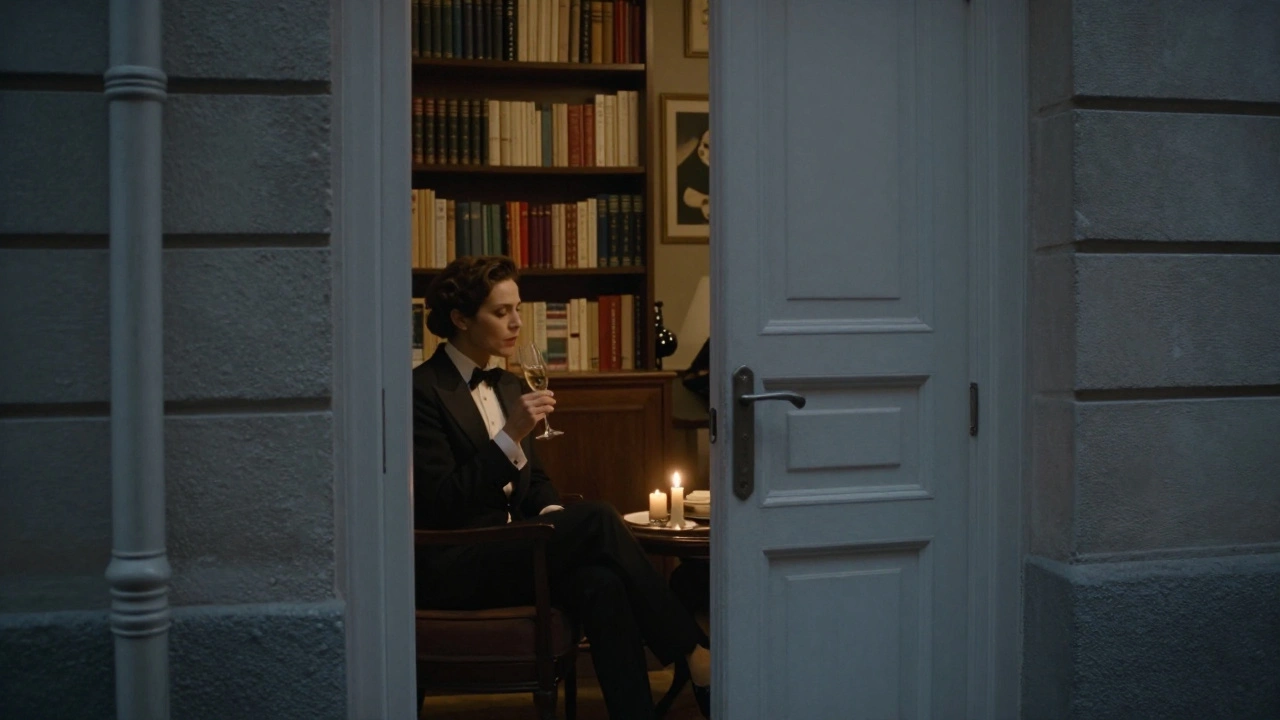
Modern fashion houses like Yves Saint Laurent a French fashion designer whose designs redefined femininity and sensuality in the 1960s and 1970s built entire collections around the idea of power, mystery, and seduction. His tuxedos for women weren’t just clothing-they were armor for self-expression. Today, you’ll still see women in the city wearing tailored suits with nothing underneath, not to shock, but to claim space.
Books matter too. The Story of O a 1954 French erotic novel by Pauline Réage that explores submission, freedom, and identity was banned for decades. Now, it’s taught in university literature courses. Why? Because it’s not just about sex. It’s about control, trust, and the courage to surrender to another person’s vision.
Where to find authentic experiences-not tourist traps
If you’re looking for real Parisian erotic experiences, avoid the flashy ads on the Champs-Élysées. The real scenes are tucked away:
- La Cité des Amours - A private members’ club in the 6th that hosts weekly salons on tantra, intimacy, and emotional connection. No nudity, just deep conversation and slow dance.
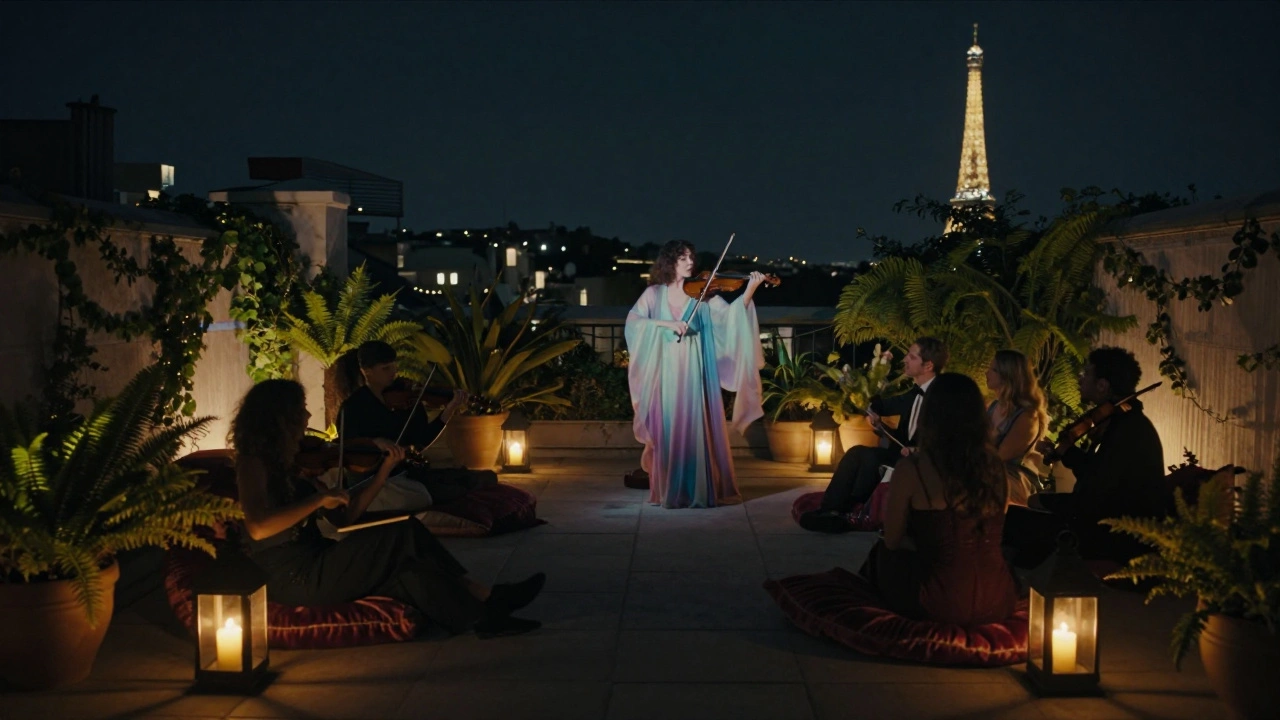
- Le Jardin Secret - A rooftop garden in Montmartre that transforms into an evening performance space every Friday. Think live violin, dim lanterns, and a single performer moving through the crowd like a ghost.
- Les Ateliers du Corps - A workshop space in the 11th where couples and individuals take classes in sensual massage, breathwork, and non-verbal communication.
You won’t find these on Google Maps. You’ll hear about them from artists, writers, or longtime residents who’ve been coming for years. Word of mouth is still the best way in.
How locals view sex, fantasy, and personal freedom
Most Parisians don’t talk about this openly-but they live it. There’s no shame in having a fantasy. No pressure to perform. In fact, the most respected people I’ve met here are those who’ve learned to separate sex from expectation. A doctor I know, mid-50s, tells me she goes to a monthly gathering where she and five others explore intimacy through storytelling and touch. "It’s not about orgasm," she says. "It’s about remembering what it feels like to be truly seen."
French culture values autonomy. You’re not expected to be sexual in a certain way. You’re expected to know yourself. That’s why Parisian eroticism feels so different. It’s not about selling pleasure. It’s about reclaiming it.
The legal and social boundaries that shape the scene
France doesn’t ban sex work outright-but it doesn’t legalize it either. Prostitution is tolerated but not regulated. That means private consensual encounters are legal, but advertising or organizing them isn’t. This creates a strange, quiet ecosystem: people meet through word of mouth, through art, through trust.
There are no brothels. No street soliciting. No online booking platforms. If you’re looking for a partner, you don’t swipe. You meet at a poetry reading. You strike up a conversation at a jazz bar. You leave a note in a bookstore. The rules are unspoken, but they’re strong. And they protect the intimacy.
Why Paris still holds a unique place in erotic imagination
Other cities have nightlife. Paris has atmosphere. It’s not just about the bodies. It’s about the lighting. The music. The silence between words. The way a stranger’s hand brushes yours as you both reach for the same book at a flea market-and neither of you pulls away.
Paris doesn’t market itself as a sexual destination. It doesn’t need to. Its history, its art, its contradictions-all of it whispers: come closer. And when you do, you realize it’s not about finding fantasy. It’s about remembering you’ve always had it inside you.
Is Paris a safe place for exploring erotic fantasies?
Yes, if you respect the unspoken rules. Parisian erotic spaces prioritize consent, privacy, and discretion. There’s no pressure to perform or participate. Most venues are invitation-only or require a referral. Trust is built slowly, and boundaries are honored.
Can tourists participate in these experiences?
Absolutely-but not like a customer. You can’t just show up and pay. Most events require an introduction, a conversation, or a shared interest in art, literature, or music. Tourists who approach with curiosity, not expectation, are often welcomed.
Are there any public venues for adult experiences in Paris?
There are no public strip clubs or sex shops as you’d find elsewhere. The closest thing is Le Crazy Horse, which is a registered theater with ticketed performances. Everything else is private, invitation-only, or held in non-traditional spaces like galleries, gardens, or lofts.
9 Comments
Write a comment